
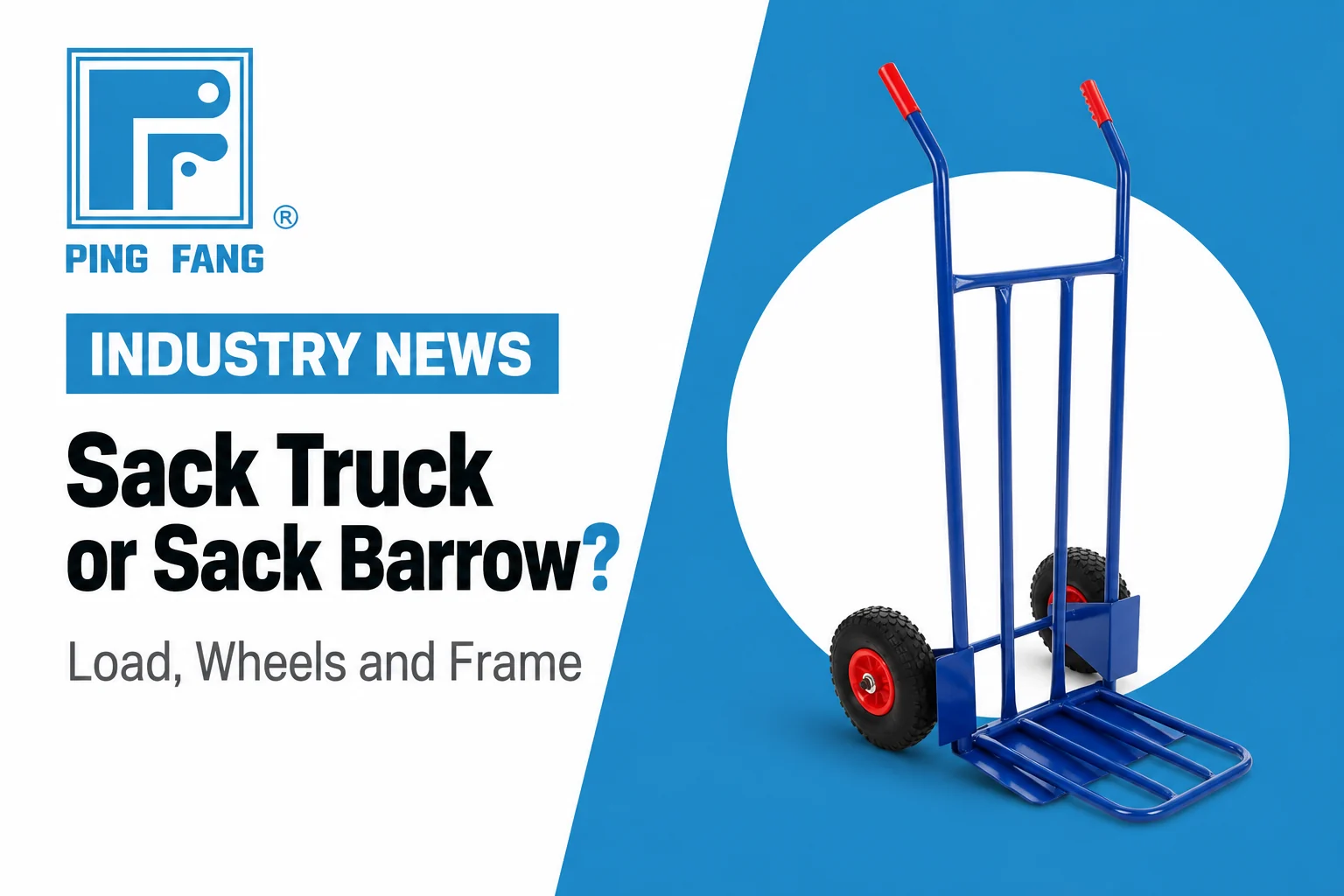
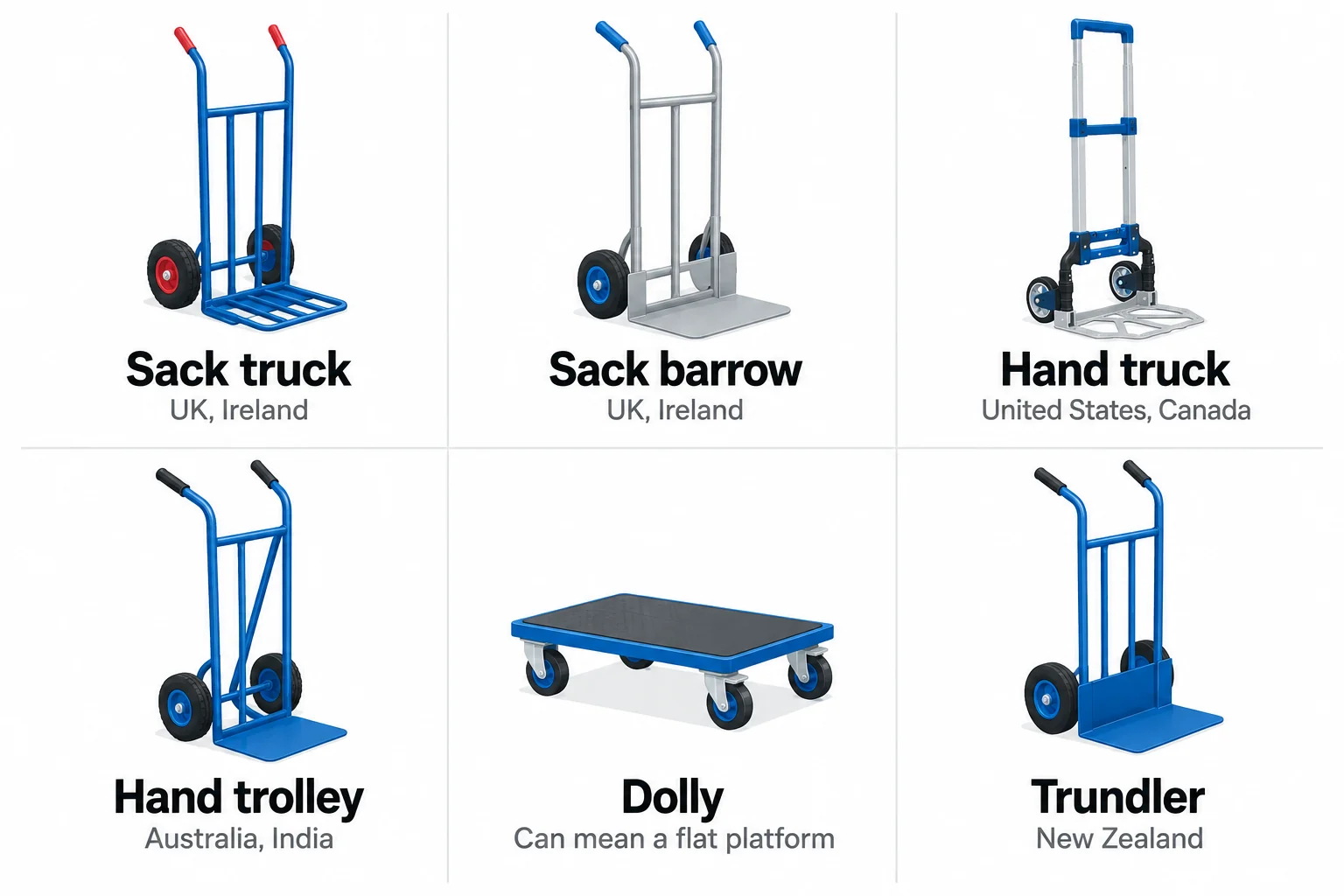
The same tool has many names. People in the UK and Ireland say sack truck or sack barrow, Americans and Canadians say hand truck or two wheel dolly, Australians and Indians say hand trolley, and New Zealanders say trundler. This guide explains what a sack truck is, how the types differ, what the load rating and the wheels mean, and which questions to settle before you buy or import one. The numbers come from the factory spec sheets of our own range.
What Is a Sack Truck? Meaning and Definition
A sack truck is a hand-operated trolley with two wheels, an upright frame, a handle at the top and a small plate at the bottom. You slide the plate under a box, a sack or a machine, lean the frame back, and the load rests on the wheels instead of on your arms. Then you roll it where it needs to go. The name comes from the job it was first made for, carrying sacks. The question what is a sack barrow has the same answer, because a sack barrow is a sack truck under the older UK name.
It is the simplest piece of handling equipment in a warehouse, a shop or a delivery van. It has no motor and no moving parts beyond the wheels, and many models fold. That is why buyers order it in large numbers, and why the details that look small on a spec sheet, such as the wheel type, the plate size and the weight, decide how well it works day to day.
Sack Truck, Sack Barrow, Hand Truck, Hand Trolley and Dolly Compared
All of these names usually point to the same two-wheeled tool. The one real trap is the word dolly, which in some places means a flat platform on four wheels instead.
| Name | What it is | Where the name is common |
|---|---|---|
| Sack truck, sack barrow | Two-wheeled upright hand truck with a bottom plate | UK, Ireland |
| Hand truck, hand trucks | The same tool under its American trade name | United States, Canada |
| Two wheel dolly, 2 wheeler | The same tool, named after its two wheels | United States, Canada |
| Hand trolley | The same tool, often the folding kind | Australia, India, UK |
| Trundler, bag barrow | Older local names for the same tool | New Zealand, UK |
| Platform trolley, flatbed cart | A flat deck on four wheels, a different tool | Worldwide |
Hand truck or dolly in the United States
American buyers often search hand truck vs dolly, and the answer depends on who is talking. Most sources treat a hand truck as the upright two-wheeled tool and a dolly as a flat platform on four small wheels, used to slide heavy furniture. Others call the two-wheeled tool a two wheel dolly. If you write to a supplier, describe the tool as a two-wheeled hand truck with a plate and name the load, and nobody will misread it.
Our own range follows the same split. The Flatbed Cart page holds the two-wheeled trucks and the four-wheeled platform trolleys side by side, and each product page says which kind it is.
The Parts of a Sack Truck
The tool has five parts, and every spec sheet describes at least some of them. The frame carries the load, the handle gives control, the plate takes the weight of the goods, the axle joins the wheels and the wheels do the rolling.
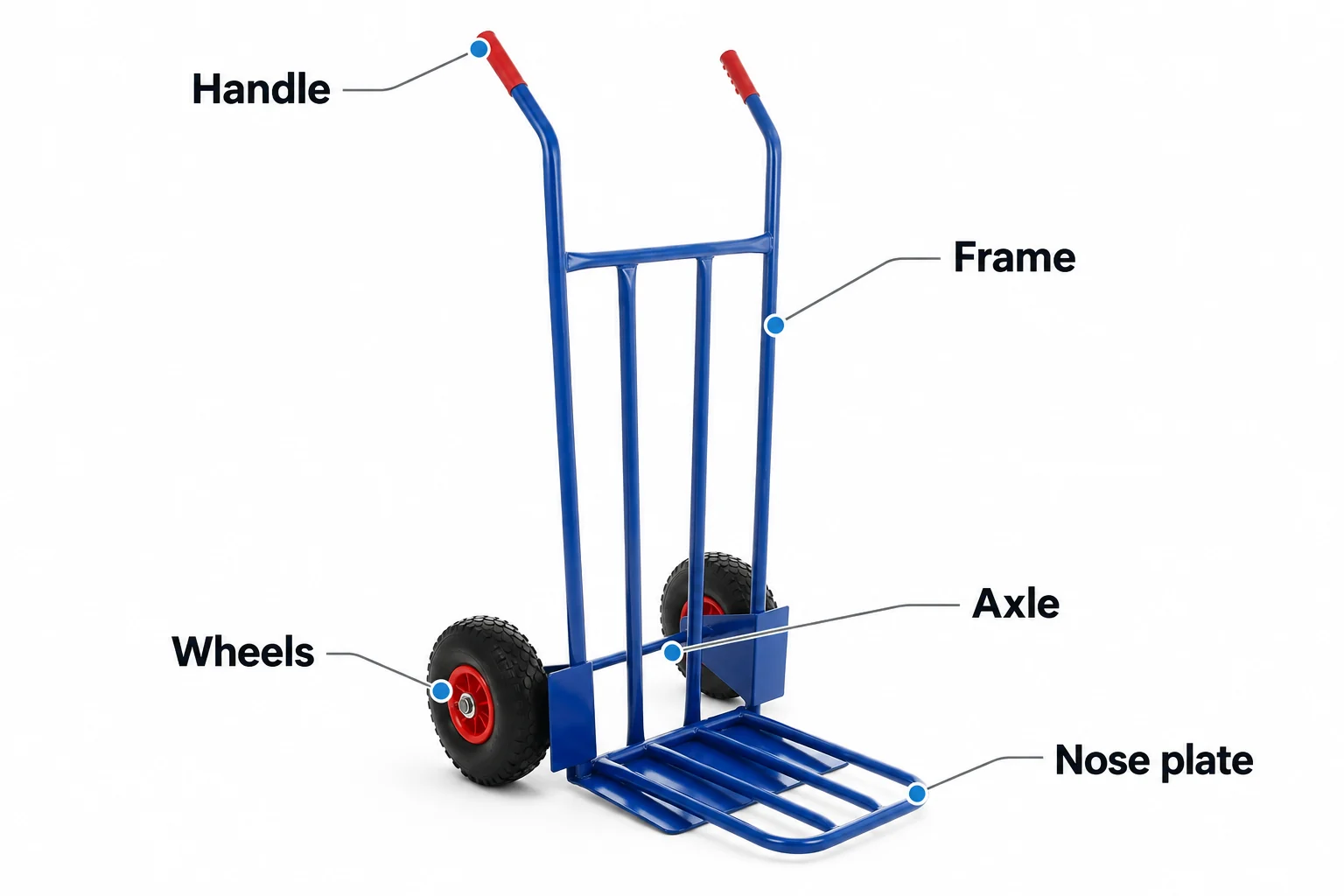
- Handle. One loop or two grips at the top. A P-handle, which curves back like the letter P, gives a single hand hold, and twin grips give two. Rubber or foam grips are easier on the hands.
- Frame. The upright tubes that carry the weight. Steel is strong, and aluminum is light.
- Plate. The flat part at the bottom, also called the nose plate, toe plate or footplate. It slides under the load.
- Axle. The bar that holds the two wheels.
- Wheels. Two wheels, covered in a later section because they matter more than any other part.
The Main Types of Sack Trucks
The types differ by frame material, by whether the truck folds and by how much it carries. Pick the type from the goods and from where the truck is stored.
Standard steel trucks
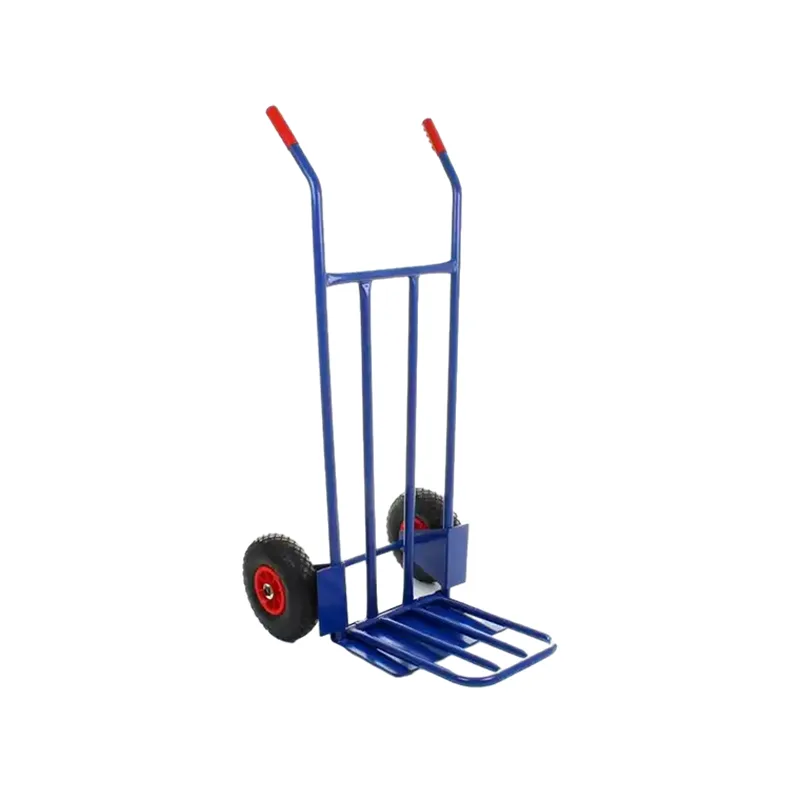
The classic heavy duty sack truck has a fixed steel frame, large wheels and a wide plate. A fixed frame keeps it simple and strong. The PFTWT006 is this kind, a spray-finished steel body rated for 250 kg on 10 inch pneumatic tires, built for machinery, equipment and furniture.
Folding and lightweight trucks
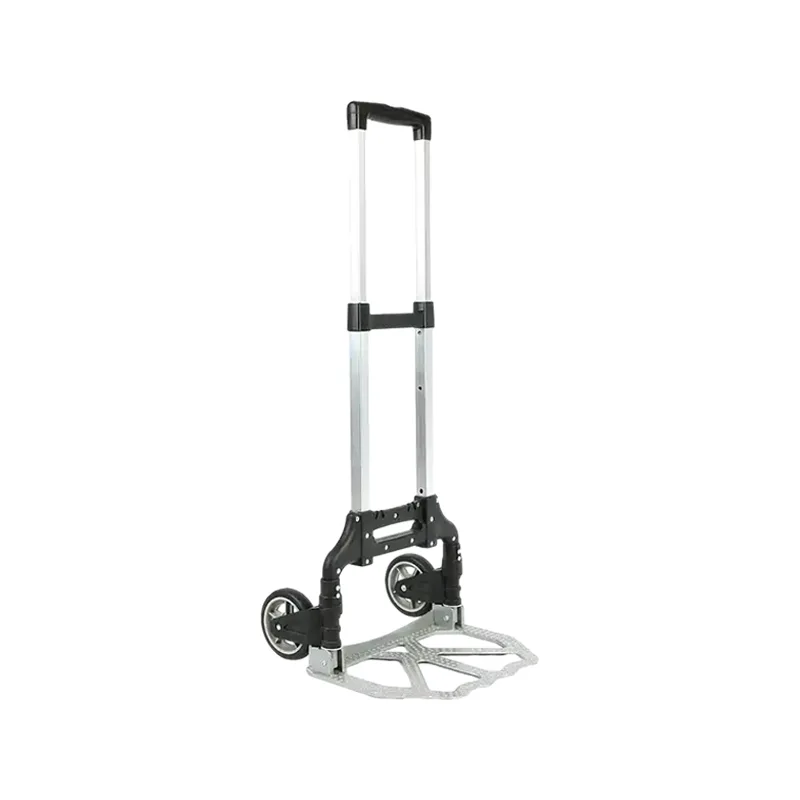
A folding sack truck collapses to a slim shape for the trunk of a car, a van or a shelf. The aluminum models are the lightest. PFTWT001 weighs 2.6 kg and folds to 50 mm thick, and PFTWT002 weighs 3 kg and carries 85 kg. Folding models with a metal frame, such as PFTWT004, weigh 5.6 kg and carry 90 kg.
Convertible 2 in 1 sack truck
Some models stand upright as a sack truck and lower into a flat platform cart. The factory photos of PFTWT005 show both positions. One tool then covers tall boxes and long, flat loads.
Heavy luggage and airport trucks
A wide plate and a long handle suit suitcases and boxed goods in hotels, airports and offices. PFTWT003 has a 480 × 350 mm plate, a 150 kg rating and 6 inch wheels, and its handlebar adjusts or folds down for storage. For airports that need baggage carts instead, see our airport luggage trolleys.
Other types
Stair climbing models usually have three wheels on a rotating frame, and electric versions add a motor. Models for gas cylinders add a chain or a cradle. We do not make these and the rest of this guide leaves them out, but if the work involves long flights of stairs they are worth a look.
Sack Truck Sizes and Load Capacity
Load capacity is the first number most buyers read, and the six models in our range run from 70 kg to 250 kg. The table lists them with the other figures a buyer checks, taken from the factory spec sheets.
| Model | Load | Weight | Wheels | Load vs weight |
|---|---|---|---|---|
| PFTWT001 | 70 kg | 2.6 kg | 100 mm PU | 27 times |
| PFTWT002 | 85 kg | 3 kg | 100 mm PU | 28 times |
| PFTWT005 | 80 kg | 6 kg | 6 inch | 13 times |
| PFTWT004 | 90 kg | 5.6 kg | 6 inch | 16 times |
| PFTWT003 | 150 kg | 5 kg | 6 inch TPR and PP | 30 times |
| PFTWT006 | 250 kg | Not listed | 10 inch pneumatic | Not listed |
The last column is a handy way to compare. A truck that carries 27 times its own weight gives more load for each kilogram you push, and one that carries 13 times gives less. The light aluminum models and PFTWT003 lead on this measure, and the convertible PFTWT005 trails. Weights are listed as each product page gives them, gross for PFTWT001 to PFTWT003 and net for PFTWT004 and PFTWT005, so treat the ratios as a guide.
How to read a load rating
A rating of 150 kg normally assumes that the load sits low on the plate and close to the frame, on a flat floor. Stairs, curbs, uneven ground and tall loads that tip away from the frame all ask more of the truck than the rating assumes. Choose a model rated above your heaviest regular load, not equal to it. Ask the supplier how the rating was tested, because a rating without a test method is only a number.
Wheels and Tires
Sack truck wheels decide where the truck can work. Most buyers pick a frame first and the wheels second, and then regret it on the first rough floor.
- Solid rubber or PU wheels. They cannot go flat and need no care. They suit smooth indoor floors and light loads. Our two aluminum models use 100 mm PU wheels.
- Pneumatic tires. Air-filled, like a bicycle tire. They absorb shocks and roll over gravel, curbs and rough yards. PFTWT006 uses 10 inch pneumatic tires. They need the right pressure and can puncture.
- Puncture proof or foam-filled tires. Close to air-filled ones in feel and immune to flats. A good middle choice for mixed indoor and outdoor work.
- TPR wheels. A soft thermoplastic rubber that rolls quietly and is kind to floors. PFTWT003 uses 6 inch TPR wheels on a PP hub.
Size matters too. Small wheels of 100 mm are fine for a smooth warehouse floor and a folded size that fits in a drawer. Wheels of 6 inch cope better with door thresholds and ramps, and 10 inch wheels are the choice for rough surfaces and heavy loads. In the UK buyers search for these as sack truck tyres, and in other countries as hand truck tires. It is the same part.
Frame Materials and Finishes
Steel and aluminum are the two common frame materials. Steel is stronger for its cost and suits heavy fixed trucks such as PFTWT006, which has a spray-finished steel body. Aluminum (aluminium in the UK) is much lighter, resists corrosion and suits folding trucks that someone carries daily. The aluminum models in our range are PFTWT001 and PFTWT002, and the factory sheet lists both as aluminum and PP with a round aluminum or steel tube.
Finish matters most for steel. A sprayed finish protects against rust, and a scratch through it lets rust start, so a truck that stays outdoors needs more care than one in a dry warehouse.
Handles and Ergonomics
The handle is where the user meets the truck, and a poor handle tires the hands within minutes. Check three things. First, the handle height. A handle that is too low makes the user stoop, and one that is too high makes the truck hard to tilt. Telescopic handles on folding models let people of different heights share one truck. Second, the grip. Rubber or foam grips stay comfortable and do not slip when wet. Third, the shape. A single P-handle suits one-handed control on short trips, and twin grips suit heavy loads that need two hands.
The product page of PFTWT003 says its handlebar adjusts or folds down for storage, and the photos of the aluminum models show a telescopic handle. Ask the supplier for the handle height at full extension if your users are tall.
Plate Size and Folded Size
The plate is the part the load rests on, and its depth decides how stable the load feels. A plate that is too short lets a long box tip forward. A plate that is too narrow lets a wide box overhang. Match the plate to the biggest regular load, and prefer the wider one when in doubt.
Folded size matters when the truck lives in a car, a van or a drawer. The table lists the figures from the factory sheets.
| Model | Plate (mm) | Open size (mm) | Folded size (mm) |
|---|---|---|---|
| PFTWT001 | 270 × 350 | 350 × 380 × 1000 | 50 × 310 × 610 |
| PFTWT002 | 280 × 390 | 985 × 390 × 380 | 700 × 390 × 55 |
| PFTWT003 | 480 × 350 | 1000 × 480 × 540 | Not listed |
| PFTWT004 | Not listed | 1080 × 380 × 410 | 700 × 380 × 190 |
| PFTWT005 | Not listed | 990 × 380 × 310 | 580 × 380 × 625 |
| PFTWT006 | Not listed | 595 × 670 × 1200 | Not listed |
PFTWT001 is the thinnest at 50 mm, and PFTWT003 has the widest plate at 480 × 350 mm, which suits wide cartons and luggage. Open sizes are copied as each product page gives them, and the order of the three numbers differs between pages, so check the model page before you compare.
Sack Truck or Platform Trolley
A sack truck and a platform trolley carry goods in different ways, and many sites need both. The sack truck is for tall, narrow and awkward loads. The platform trolley is for wide, flat and heavy ones.
| Question | Sack truck | Platform trolley |
|---|---|---|
| Wheels | Two | Four |
| How the load is carried | Tipped back onto two wheels | Flat on four wheels |
| Best loads | Boxes, sacks, appliances, tall items | Wide, flat or stacked loads |
| Stairs and curbs | Manageable with care | Difficult |
| Storage | Folds to a slim shape | Larger, though many fold flat |
| Typical rating in our range | 70 to 250 kg | 120 to 600 kg |
The Flatbed Cart page covers both, and our PFPT004 is a typical platform trolley rated for 300 kg. For the four-wheeled side, see our article on the standard platform trolley.
Reading a Sack Truck Spec Sheet
A spec sheet is short, and each line tells you something. Read it in this order.
- Load capacity. The rated load, and ideally how it was tested.
- Weight. The weight of the empty truck. Check whether it is net or gross.
- Overall and folded size. The open size for use, the folded size for storage and shipping.
- Wheel size and type. Diameter in millimeters or inches, and whether it is solid, TPR or pneumatic.
- Plate size. Width and depth in millimeters.
- Material and finish. Aluminum, steel, and how the steel is coated.
The product pages on our site list the numbers taken from the factory spec sheet without rounding, so the figures in this guide are the same ones you will see on a quotation.
How to Choose a Sack Truck
Choose in a fixed order, because the first answer narrows the next. Start from the goods, then the floor, then the storage.
- What is the heaviest regular load? Pick a rating above it. Light parcels and groceries sit well under 100 kg, boxes and appliances often call for 150 kg, and machinery and furniture for 250 kg.
- What is the shape of the load? Tall and narrow loads suit a standard truck. Wide or flat loads suit a wide plate or a convertible model.
- What is the floor? Smooth indoor floors suit PU or TPR wheels. Gravel, curbs and yards suit pneumatic or puncture proof tires.
- Who carries it? If someone lifts it into a car every day, choose aluminum and check the weight.
- Where is it stored? A drawer or a car trunk needs a slim folded size. A warehouse corner can take a fixed truck.
- How many do you need? For fleets and resale, the packing size and the carton count decide freight cost. Ask for them.
To get a useful quote on the first reply, send the load, the floor, the quantity and the destination through our contact page. Our OEM service builds a sack truck to your drawing or under your own brand when none of the standard models fit.
Benefits of a Sack Truck
This tool is cheap, small and always useful. That combination gives six benefits.
- Less lifting. The wheels carry the load, and the user steers.
- Low cost. It costs a fraction of a powered truck and needs no charging or training.
- Small footprint. It fits narrow aisles, lifts and van doors.
- Folds away. Folding models store in a drawer or a car trunk.
- Many uses. It moves boxes, sacks, appliances, kegs and equipment.
- Long working life. A simple frame and two wheels leave little to break.
Using a Sack Truck Safely
A little technique prevents most injuries and most damage. Slide the plate fully under the load and put the heaviest item at the bottom, against the frame. Strap or tie anything that can shift. Tilt the truck back until the weight sits over the axle, and then roll it. Keep your back straight and use your legs to tilt.
Go slowly on ramps and curbs. A truck rated for 150 kg on a flat floor can tip on a slope with the same load. Follow your own site rules for stairs, for how high a load may be stacked and for when to ask for a second person.
Questions to Ask a Supplier Before You Order
A good supplier answers these without delay. Put them in your inquiry so the first reply is a useful one.
- How was the load rating tested? The answer should name a method, not just a number.
- What are the wheels and the tires? Type, size and material, for the floor you have.
- What does one truck weigh, and what is the packing size? Both set freight cost.
- Can I see a sample before the full order? A sample lets you test the fold, the handle and the wheels.
- Is there a quality report with each batch? Ours ships with a report after final inspection.
- Can you build to my drawing or add my brand? Custom colors, grips and logos need a drawing check.
Where These Trucks Are Used
- Warehouses and distribution. Boxes and sacks move between the dock, the racks and the van.
- Retail and shops. Stock moves from the store room to the shelf.
- Delivery drivers. A folding truck rides in the van and carries parcels to the door.
- Hotels and airports. Heavy luggage and supplies move across floors.
- Workshops and factories. Parts, tools and equipment move between stations.
- Home and moving. Furniture and boxes go up the driveway and into the house.
Ordering Mistakes to Avoid
Most ordering mistakes can be seen on the quotation. Check these points before you order.
- Choosing by load only. Two trucks with the same rating can differ in wheels, plate and weight. Compare all of them.
- Ignoring the floor. Small hard wheels struggle on gravel. Tell the supplier where the truck will roll.
- Forgetting the folded size. A truck that does not fit the drawer or the boot stays in the shed.
- Mixing up names. A dolly in some countries is a four-wheeled platform. Say two-wheeled sack truck in your inquiry.
- Skipping the packing size. Freight cost per truck follows the carton size, so ask for it before you compare prices.
Keeping a Sack Truck in Service
These trucks work hard and get little care. A short routine keeps them rolling.
- Check the tires. Pneumatic tires need the right pressure, and any tire should be free of cuts and flat spots.
- Check the axle and the wheel fixings. A loose wheel changes how the truck tracks.
- Check the folding joints. Bent hinges stop a folding truck from locking upright.
- Check the plate and the welds. Cracks start at joints and edges.
If a truck is damaged, tell us the model and we supply replacement parts or repair advice.
How Ping Fang Builds Its Range
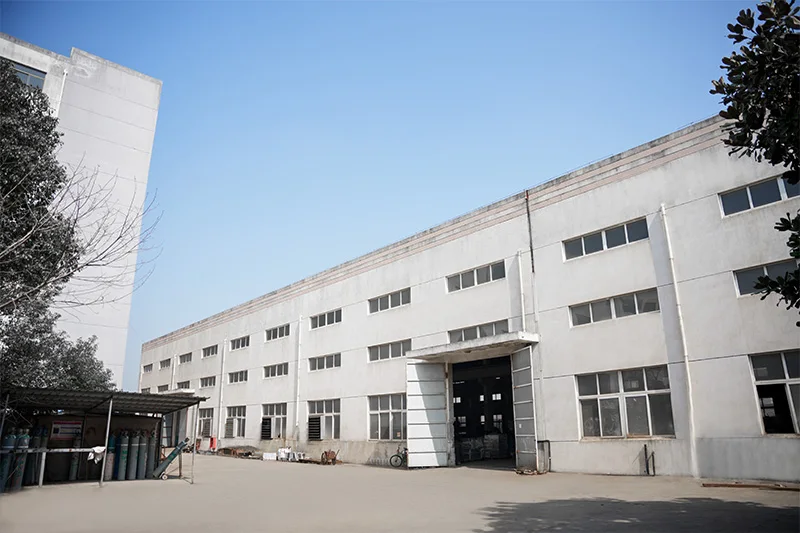
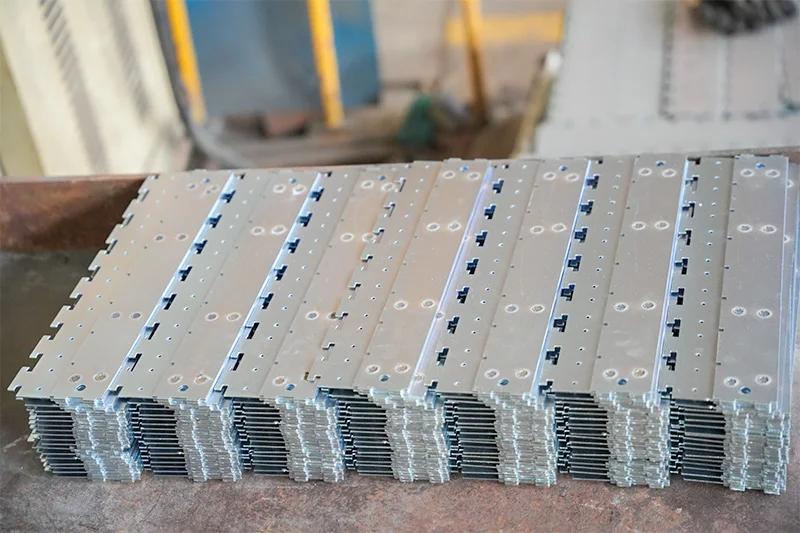
Ping Fang has been a manufacturer since 1984. The plant in Changshu builds handling equipment from steel and aluminum, and four checks run on every order. They cover incoming material, worker self-check with inspector patrol during production, inspection before surface treatment, and a final check before shipping with a quality report.
More about the factory is on our factory page. For other handling equipment, see our guides to roll containers and to logistics trolley casters.
 Related Questions